Psilocybin clinical trial design is becoming one of the most important topics in psychedelic mushroom research. As scientists study psilocybin for depression, addiction, end-of-life distress, and other conditions, they face a difficult question: how can a clinical trial measure an experience that may change perception, emotion, self-awareness, and a participant’s sense of reality?
Recent discussion around psychedelic medicine has highlighted a major challenge in the field. Researchers are not only testing whether psilocybin can improve symptoms. They are also trying to understand whether changes in consciousness contribute to therapeutic outcomes, how those changes should be measured, and how study results can remain scientifically reliable when participants may know whether they received the active compound.
This article explains the central design issues in modern psilocybin studies. It is intended for readers interested in psychedelic mushroom scientific research, laboratory documentation, and the development of evidence-based research standards. It is not medical advice and does not provide instructions for using controlled substances.
Why Psilocybin Clinical Trial Design Is Different
Traditional drug trials often compare an active medication with a placebo and track changes in symptoms over time. This approach remains essential in psychedelic research, but psilocybin introduces additional complications.
The subjective effects of psilocybin can be noticeable. Participants may experience changes in mood, sensory perception, time awareness, thought patterns, and emotional intensity. Because these effects can be difficult to disguise, participants and study staff may sometimes guess which treatment was administered.
This possibility is known as functional unblinding. If participants believe they received psilocybin, their expectations may influence how they report symptoms after the session. Researchers therefore need trial designs that assess both the pharmacological effects of psilocybin and the psychological effects of expectation.
These issues make careful documentation especially important. A well-designed study may record the dose, participant history, preparation procedures, session environment, therapist or facilitator involvement, adverse events, and follow-up results. Consistent documentation helps researchers compare findings across studies and identify which factors may explain different outcomes.
How Researchers Define Consciousness in a Study
“Consciousness” is a broad term. In a clinical study, it must be translated into measurable concepts. Researchers may examine changes in self-awareness, attention, emotional processing, perception, sense of time, personal identity, or the feeling of connection to other people and the environment.
Many studies use validated questionnaires to assess the subjective features of a psychedelic experience. These instruments may measure effects such as changes in the sense of self, emotional breakthrough, mystical-type experiences, psychological insight, or perceived meaningfulness.
Questionnaires are useful, but they do not capture every aspect of an experience. Two participants may receive the same controlled dose and describe very different results. One person may report emotional relief, while another may experience fear, confusion, or no meaningful change in symptoms.
For this reason, contemporary psychedelic research often combines several types of data:
- Clinical outcomes: Changes in depression, anxiety, substance use, trauma symptoms, or quality of life.
- Subjective reports: Participant descriptions of perception, emotion, self-awareness, and personal meaning.
- Behavioral measures: Performance on attention, memory, decision-making, or emotional processing tasks.
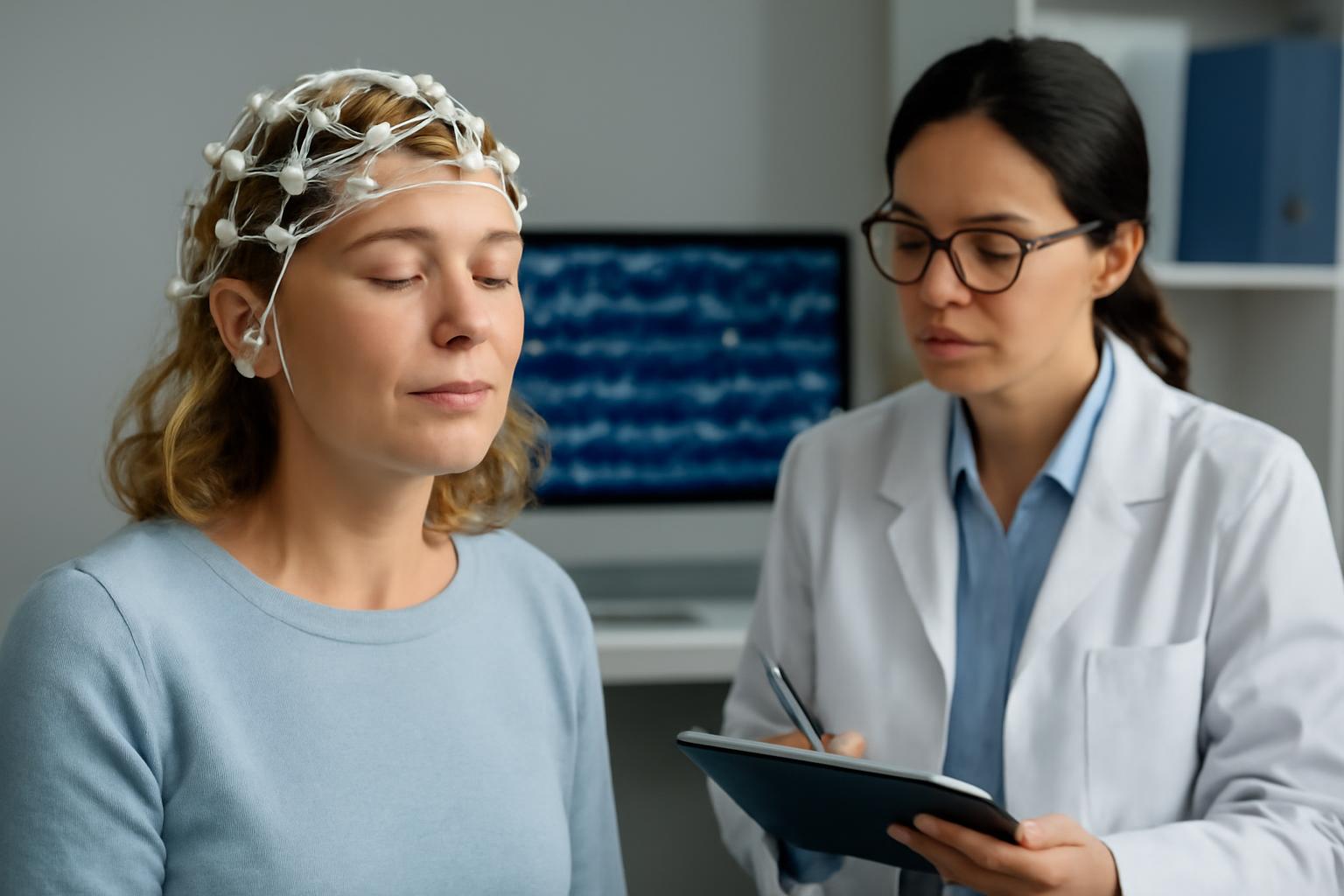
- Physiological data: Heart rate, blood pressure, sleep patterns, and other safety measures.
- Biological samples: Pharmacokinetic or biochemical data collected under approved protocols.
- Long-term follow-up: Assessments conducted weeks or months after the session.
Using multiple measures can help researchers avoid relying on a single questionnaire or one short-term result.
The Role of Set, Setting, and Preparation
Psilocybin studies often pay close attention to “set and setting.” Set refers to a participant’s mindset, expectations, emotional state, and personal history. Setting includes the physical environment, interpersonal support, music, lighting, session procedures, and overall atmosphere.
These factors can influence the experience and may also affect clinical outcomes. A calm and carefully prepared environment may reduce distress and help participants respond constructively to difficult emotions. Conversely, poor preparation or an unsuitable environment may increase anxiety or confusion.
Because these variables matter, clinical trial protocols may standardize the session room, staff training, preparation meetings, support procedures, and follow-up conversations. Standardization does not eliminate individual differences, but it gives researchers a clearer framework for interpreting results.
Researchers also need to distinguish the effect of psilocybin from the effect of professional support. If a trial includes extensive preparation and integration, the overall intervention may be more than the compound alone. This is not necessarily a weakness. It simply means the study should accurately describe what was tested.
Placebo Groups and the Problem of Functional Unblinding
Placebo-controlled trials are designed to determine whether an intervention performs better than an inactive comparison. With psilocybin, however, a conventional placebo may be easy to identify. Participants who feel clear changes in perception may correctly assume they received the active treatment.
Researchers are evaluating several approaches to address this problem. Some studies use active placebos that create mild subjective effects without producing the full psychedelic experience. Others collect detailed information about participant expectations before dosing and ask participants to guess their treatment assignment afterward.
Statistical methods can also help estimate how expectations influence outcomes. For example, investigators may compare results among participants who correctly guessed their treatment assignment with those who did not. These analyses cannot solve every limitation, but they can show whether expectancy may have contributed to the findings.
Another option is to use multiple control conditions. A study might compare psilocybin with an active placebo, a standard treatment, or a structured non-drug intervention. The best choice depends on the research question, ethical requirements, participant population, and available resources.
Measuring Short-Term and Long-Term Outcomes
A psychedelic experience can be intense but temporary. A rigorous study therefore needs to examine what happens after the acute session ends. Short-term changes may not predict lasting benefits, and an immediate improvement in mood may not remain weeks later.
Clinical researchers may schedule follow-up assessments at several points, such as one day, one week, one month, and later intervals. These assessments can track symptom changes, daily functioning, treatment satisfaction, adverse events, and any need for additional care.
Long-term follow-up is particularly important when researchers study conditions that fluctuate naturally. Depression and anxiety symptoms can improve or worsen for reasons unrelated to the intervention. Repeated measurements help investigators determine whether an observed change is durable or temporary.
Follow-up should also include safety monitoring. Participants may report anxiety, sleep disruption, emotional discomfort, elevated mood, or other concerns. Serious risks may be uncommon in carefully screened studies, but they still require clear reporting and appropriate clinical oversight.
Participant Selection and Safety Screening
Safety begins before the study session. Researchers typically establish inclusion and exclusion criteria based on the goals of the trial and known risk factors. Screening may consider psychiatric history, cardiovascular health, current medications, substance use, family history, and other relevant factors.
People with a personal or family history of certain psychiatric conditions may be excluded from some protocols because psychedelic experiences could carry additional risks for them. Medication interactions may also require careful review. These decisions should be made by qualified clinicians under an approved research protocol.
During the session, trained staff may monitor physical and psychological status. The study protocol should explain how distress, unexpected medical symptoms, or behavioral concerns will be handled. Emergency procedures, informed consent, privacy protections, and post-session support are all important elements of responsible psychedelic research.
Why Research-Grade Materials and Documentation Matter
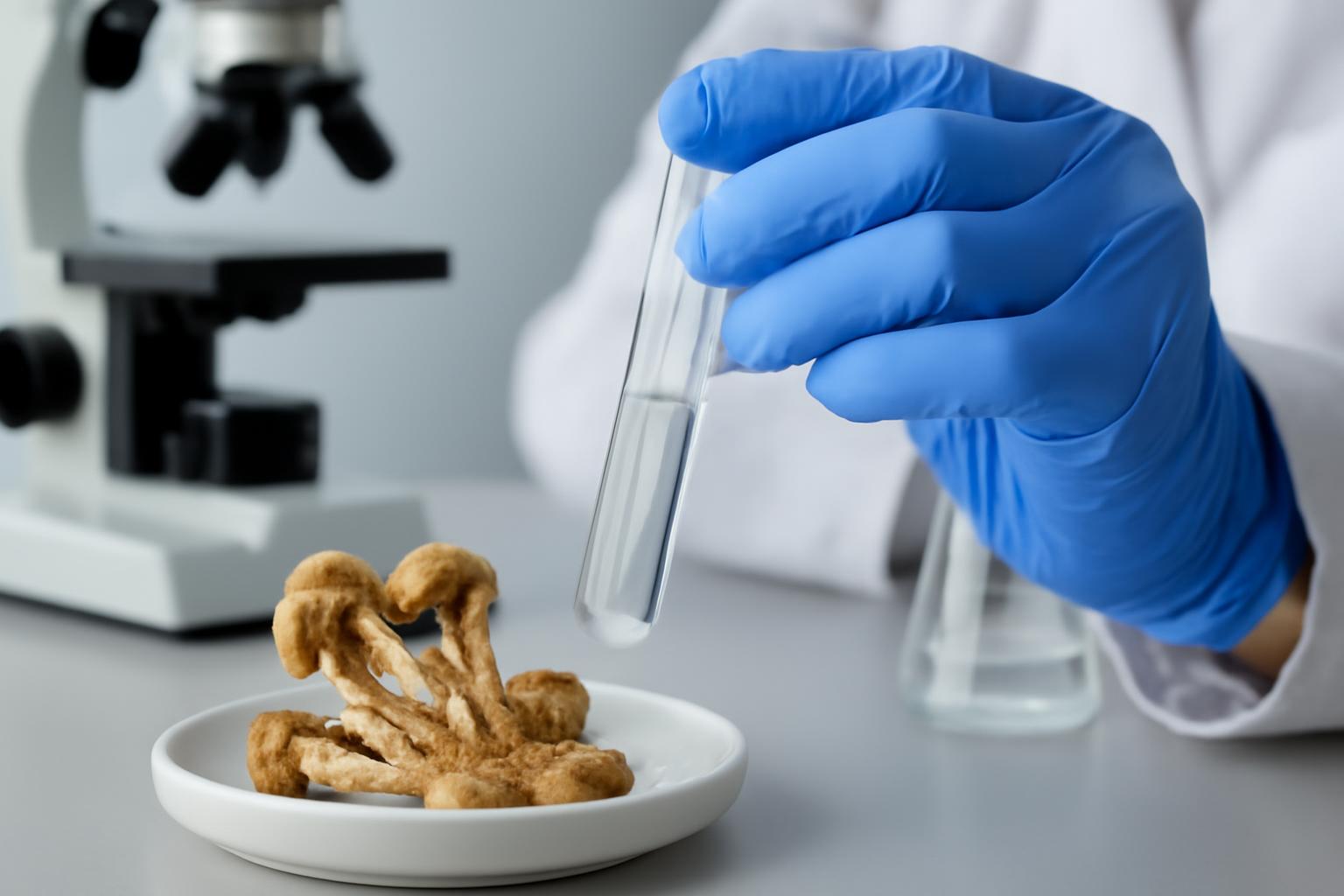
Clinical results are only as reliable as the materials and measurements used to produce them. Psilocybin research may require authenticated reference materials, validated analytical methods, controlled storage, chain-of-custody records, and complete batch documentation.
Laboratories may use analytical testing to confirm identity, concentration, stability, and the presence of unwanted contaminants. Depending on the study, testing can involve chromatography, mass spectrometry, spectroscopy, or other validated techniques. These methods help researchers verify that the material used in a protocol matches the documented specifications.
Researchers exploring psychedelic fungi may also need accurate species information. A mushroom sample’s appearance alone may not establish its identity, potency, or chemical profile. Mycology research materials, reference samples, and species identification services can support scientific documentation when used through lawful and properly equipped laboratories.
For additional educational coverage, readers can browse the Psychedelic Shrooms Delivery research blog. The site’s post index can also help locate future articles about psychedelic mushroom research, laboratory testing, and scientific literature.
How Researchers Interpret Personal Experience
Personal reports are valuable in psychedelic science because the experience itself may be connected to therapeutic change. However, personal experience should be interpreted alongside clinical and biological measurements rather than treated as conclusive proof.
A participant may describe a session as deeply meaningful, but meaning is not the same as a verified clinical benefit. Conversely, a participant may report little during the session and still show measurable improvement later. Researchers must therefore avoid assuming that the most dramatic experience always produces the best outcome.
Interviews can add important detail to numerical results. Qualitative researchers may examine themes such as emotional acceptance, changes in personal narrative, relationships, grief, motivation, or attitudes toward substance use. When these interviews are conducted consistently and analyzed systematically, they can complement traditional clinical measures.
What Future Psilocybin Studies May Improve
Future research may benefit from larger and more diverse participant groups, longer follow-up periods, improved control conditions, and better methods for measuring expectancy. Researchers may also develop more precise tools for studying changes in self-processing, emotional learning, and decision-making.
Another priority is replication. A promising result from one small study should be tested by independent teams using transparent protocols and clearly defined outcomes. Replication helps distinguish robust findings from results that may depend on a specific site, participant group, facilitator style, or statistical method.
Data sharing and standardized reporting may also improve the field. When studies describe dosing procedures, material verification, participant demographics, session support, adverse events, and follow-up methods in detail, other researchers can better evaluate and reproduce the work.
Readers interested in related topics can review the site’s research article category as new educational content becomes available. Any material involving psilocybin or LSD should be approached through lawful, ethical, and professionally supervised research channels.
Frequently Asked Questions
What is psilocybin clinical trial design?
Psilocybin clinical trial design is the process of planning a controlled study that evaluates psilocybin’s effects, risks, and potential therapeutic value. It includes participant selection, dosing procedures, control groups, outcome measures, safety monitoring, and follow-up.
Why is blinding difficult in psychedelic studies?
Psilocybin can produce noticeable subjective effects, so participants may be able to guess whether they received the active treatment. This functional unblinding can influence expectations and self-reported outcomes.
How do researchers measure changes in consciousness?
Researchers may combine validated questionnaires, interviews, behavioral tasks, physiological monitoring, brain measurements, and long-term clinical assessments. No single test fully captures consciousness or the complexity of a psychedelic experience.
Why are psilocybin analytical standards important?
Analytical standards help laboratories verify the identity and concentration of compounds used in research. Accurate reference materials and documented testing procedures support reliable results and improve comparisons between studies.
Can research results prove that psilocybin works for everyone?
No. Clinical studies estimate effects in specific populations under specific conditions. Results may not apply to every person, diagnosis, dose, setting, or treatment model. More research is needed to understand who may benefit and who may face additional risks.
Conclusion
The future of psychedelic mushroom science depends on more than exciting personal stories or promising early findings. It depends on careful clinical trial design, accurate laboratory documentation, appropriate safety procedures, meaningful outcome measures, and honest interpretation of uncertainty.
By studying both the subjective experience and measurable clinical changes, researchers can build a clearer picture of how psilocybin may affect consciousness and health. Stronger methods will help distinguish pharmacological effects from expectation, therapeutic support, and natural symptom changes. That process is essential for responsible psychedelic research in the United States and beyond.